
Vitalii Markov
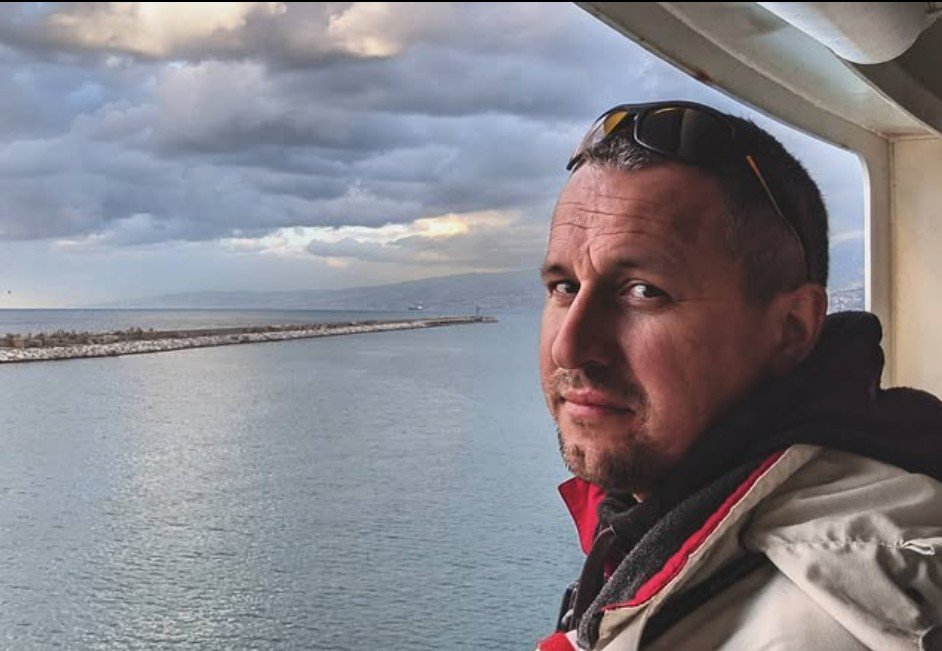
I grew up in Odesa, a port city on the Black Sea. A third of my life I worked at sea on cargo ships, as a bosun: the deck, the holds, a crew of sailors under me. The sea is a very aggressive environment. Wind, moisture and salt destroy everything made by human hands. So I know the fight against humidity from work, not from articles.

In mid-2024 I moved to the U.S. I got my CDL and went to work as an OTR driver for a trucking company: long-haul routes, almost every state. Except Alaska, Hawaii and, for some reason, Maine. Somehow never got there. I have seen different kinds of humidity. Oregon and Washington are damp, but it is a cold damp: cold ocean, constant rain. The coast of Louisiana and Alabama sits on the same warm Gulf as Florida, but winter gives them a break. Further up the Atlantic coast it gets humid only in summer, the water and the air are cooler. Coastal California is a separate case: mornings can be foggy, but the cold Pacific gives the air almost no moisture. Dew points stay low. It gets damp there, muggy — rarely.
In Florida it all comes together. A peninsula: the warm Gulf on one side, the Atlantic heated by the Gulf Stream on the other, tropical sun on top. Moisture and heat at the same time, for months. I had met humidity like this at sea, but rarely: several factors had to line up at once. In Miami I stepped out of the truck and understood: here they line up almost every day.
Then I was looking for a condo to rent in the Miami area. In one unit the bathroom walls had mold on them, and there was a dark stain on the kitchen ceiling. The landlord said the neighbors upstairs had flooded it. That apartment hunt, plus my first impressions of the Florida climate, is how this site started. More about the site itself is on the about page.
Not counting early childhood, I have spent half my life on the move: at sea or on the road. I was always decent with IT, interest and self-education. Back on the road I already understood: this was not my dream job, and soon I would want to stay on shore. So it went. Now I want to live in one place.
I am used to living by the sea. I need water nearby. I like the endless summer and the fact that you can swim in the ocean any time of year. The winter water that locals call cold feels warm to me. So the place I picked is Sunny Isles Beach. And with it, the climate this place has to live with: Florida charges for its endless summer, and it charges in humidity.
What I do here
I am not an HVAC technician and not a licensed mold inspector. My work now is building websites and working with large databases. This site is both at once. I take open datasets and look at what they actually say. Five of them so far:
- NOAA weather records, thirty years of hourly observations for five Florida cities: Key West, Miami, Tampa, Orlando and Jacksonville.
- The federal CPSC database of dehumidifier recalls and consumer complaints.
- The ENERGY STAR certified products register, all 535 certified dehumidifier models, with their tested capacity and the company that filed each one.
- The Amazon Reviews 2023 archive collected by a research lab at UC San Diego, 571 million reviews from 1996 to 2023. Out of it I pulled 62,317 reviews left by dehumidifier owners, and separated the ones written in Florida.
- FEMA flood insurance claims, 448,536 Florida payouts filed between 1978 and 2026.
All five are open and federal or public. Anyone can download them. The point is not access, it is doing the counting for a state nobody counts for. What each extract contains and where it stops is written up under research.
What I don’t do
I don’t test 50 dehumidifiers in a week, nobody honestly can. I don’t sell spots in ratings. I don’t write about climates I haven’t lived in. How I work with data: methodology.